
Aviator Latency and Cash-Out Time-Outs Explained
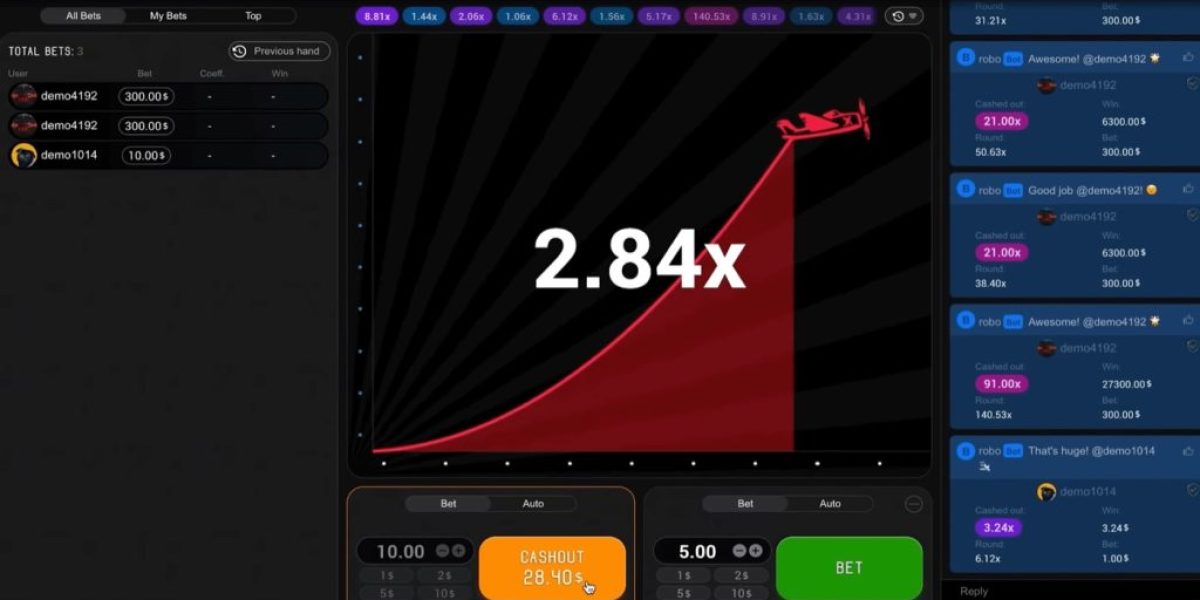
Aviator cash-out time-outs usually concern timing, not the appearance of the button. A player can press cash-out while the multiplier shows 2.00x, yet the request may not reach the server before the crash.
The difference is important. Aviator is a crash game in which the crash point is fixed before take-off, while a cash-out is a request that still has to travel from the device to the server. This article follows that travel time, the effect of slow devices, and the reason a press alone does not settle a bet.
Request Travel Time
Aviator rounds last about 8-30 seconds. A cash-out request must reach the server before the round crashes.
The screen shows the game state, but the server settles the result. The visible multiplier is therefore not proof that a cash-out has already been accepted.
- The player presses the cash-out control.
- The device sends the request through its connection.
- The server receives and processes the request.
- The game displays the accepted cash-out, or the round reaches its crash point first.
Consider a concrete example. The multiplier reaches 2.00x. A player presses cash-out. The press is an instruction from the device, not a completed settlement. If the request arrives before the crash, the cash-out can be accepted at the applicable multiplier. If the crash arrives first, the request can time out.
The same issue can occur at 1.50x, 5.00x, or another target. The size of the multiplier does not remove the travel step. A higher number on the screen does not give the request priority.
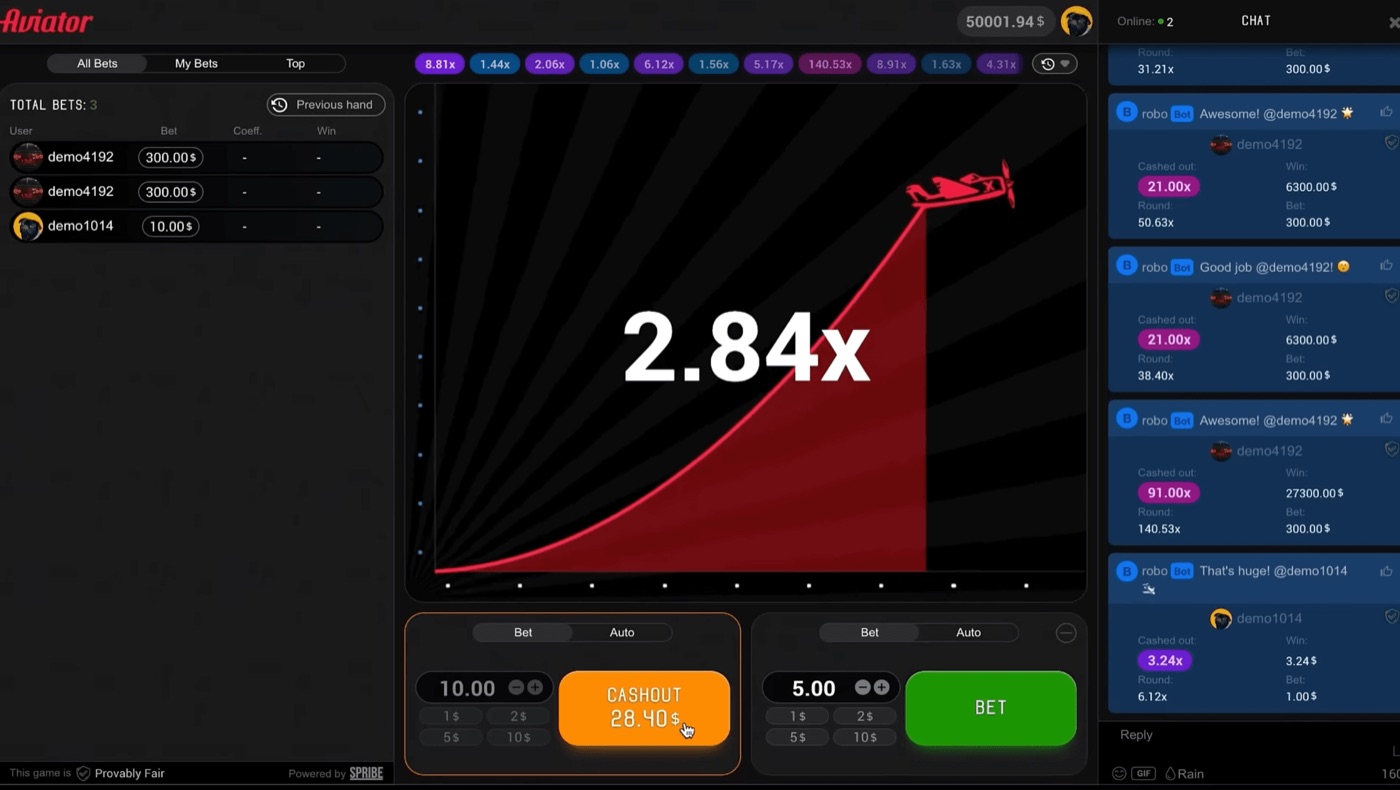
The Aviator interface shows live bets and a cash-out at 28.40.
A time-out is therefore different from a displayed cash-out. The game may show a control at the moment a player presses it, but settlement depends on when the server receives the request. Guides discussing player complaints commonly connect these time-outs with latency or a slow device.
- The press happens on the device.
- The request travels through the connection.
- The server decides whether it arrived before the crash.
- The accepted result appears after processing.
Slow Devices Matter
Aviator 2.0 was released on 15 August 2019 with a claim of being 40% faster. Spribe also described that release as lighter for slow connections and low-end phones.
Aviator works in desktop, tablet, and mobile browsers. Its design supports low bandwidth and budget devices, but that does not make every device equally quick.
A slow device can affect the time between a player seeing the cash-out control and the device sending the request. It can also delay the display of a changed game state. The player may see a multiplier that is no longer the latest state at the server.
Several parts of the device experience can matter:
- A slow phone may take longer to respond to a tap.
- A browser may take longer to update the visible multiplier.
- A low-bandwidth connection may take longer to carry the request.
- A device handling other work may respond less quickly to the game.
These points do not change the crash point. They affect whether a request reaches the server in time. A delay between the screen and the server can make a player feel that the game ignored a press, even when the server received it after the crash.
The mobile view matters because a small screen can make controls harder to press accurately. That is a usability concern, not a different probability. The same round logic applies across the browser formats supported by the operator.
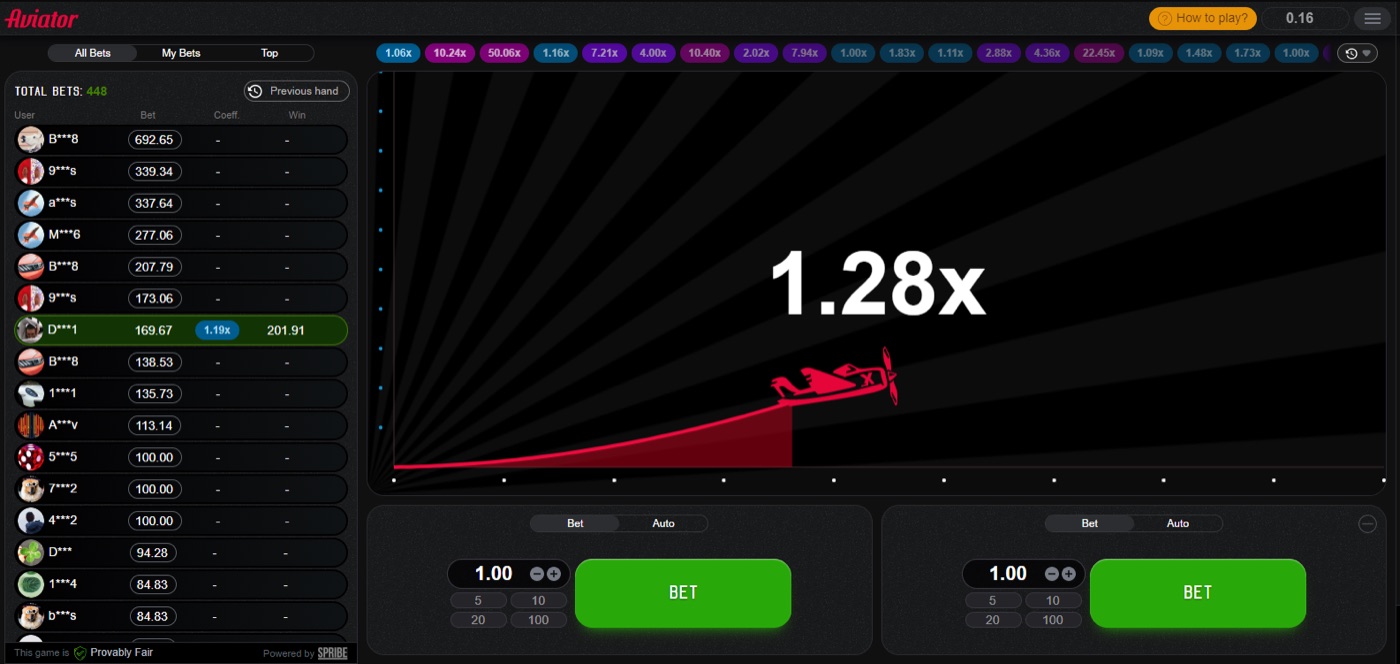
The plane in flight marks the period in which a cash-out request must travel.
A player should not treat a device refresh, a delayed animation, or a missing confirmation as proof that the crash result changed. The relevant question is whether the server accepted the request before the crash.
A Press Is Not Settlement
Aviator provides two bet panels in each round. Each panel can have a separate cash-out, so one press may settle one bet while another bet continues.
The game includes a Bet tab, an Auto tab, and an Auto Cash-Out setting. An automatic setting sends the cash-out instruction at a preset multiplier, but the server still has to receive it before the crash.
This distinction explains why a press is not a settled bet. A physical tap creates an action on the device. Settlement is the server’s accepted record of that action. The two events can be separated by request travel time.
| What the player sees | What it means | What still matters |
|---|---|---|
| Cash-out control at 2.00x | The interface is offering the control at that displayed state | The request must reach the server before the crash |
| A tap on cash-out | The device has received the player’s input | The request must travel and be accepted |
| Accepted cash-out | The server has settled that bet | The accepted result is the relevant record |
| Time-out | The request did not settle before the crash | Latency or a slow device can be involved |
Suppose two bets are active. The first is set to cash out at 1.50x. The second is left open for a higher target. If the first request arrives in time, the first bet can settle while the second remains exposed. If a player manually presses both controls during a short window, each request still has its own travel and processing path.
Auto Cash-Out removes one manual tap. It does not turn the instruction into a result before the server receives it. Auto Bet and Auto Play can run for 10-100 rounds, with stop-on-win and stop-on-loss settings, but those features do not remove the need for server-side settlement.
For the same reason, a button press should not be described as a guaranteed win. It is better described as a cash-out request until the game records acceptance.
Fairness And Timing
Aviator publishes a SHA-256 hash of the server seed before each round. The crash point is fixed before take-off.
Player client seeds are combined with the server seed. After the round, the inputs can be checked with the verification tool inside the game.
This process addresses the result itself. It does not guarantee that every cash-out request arrives before that result. The hash commits the round to a crash point, while the cash-out request must still travel during the live round.
Neither the operator nor Spribe can change the result after the round starts, according to the supplied game description. A time-out does not mean that the crash point moved because a player pressed late. It means the request did not settle before the crash, or that the player did not receive a settlement in time to see it.
For example, the probability that a round reaches 2x is 48.5%. The probability that it reaches 5x is 19.4%. Those figures describe the round outcome, not the speed of a cash-out request. A request made near either target still depends on travel time.
A player researching a crash game may encounter aviator download apk 2025 old version while looking for a bookmaker’s mobile access, a cash-out tool, or a multiplier calculator. Such a page does not alter the server timing of an Aviator stake or create a different settlement process.
- A hash supports verification of the predetermined round result.
- Independent rounds do not create a timing advantage.
- Patterns and graph analysis do not make a request travel faster.
- A prediction tool cannot move a cash-out request ahead of the crash.
The game is high variance, and its expected value is -3% of the stake at every cash-out target. Timing problems and game mathematics are separate issues. A faster response cannot remove the house edge.
Reduce Timeout Risk
Aviator rounds run about 60-90 times per hour. The game has only a few seconds between rounds.
Spribe built Aviator for low bandwidth and budget devices. A player can still use the demo mode without registration to check how the interface responds on a particular device.
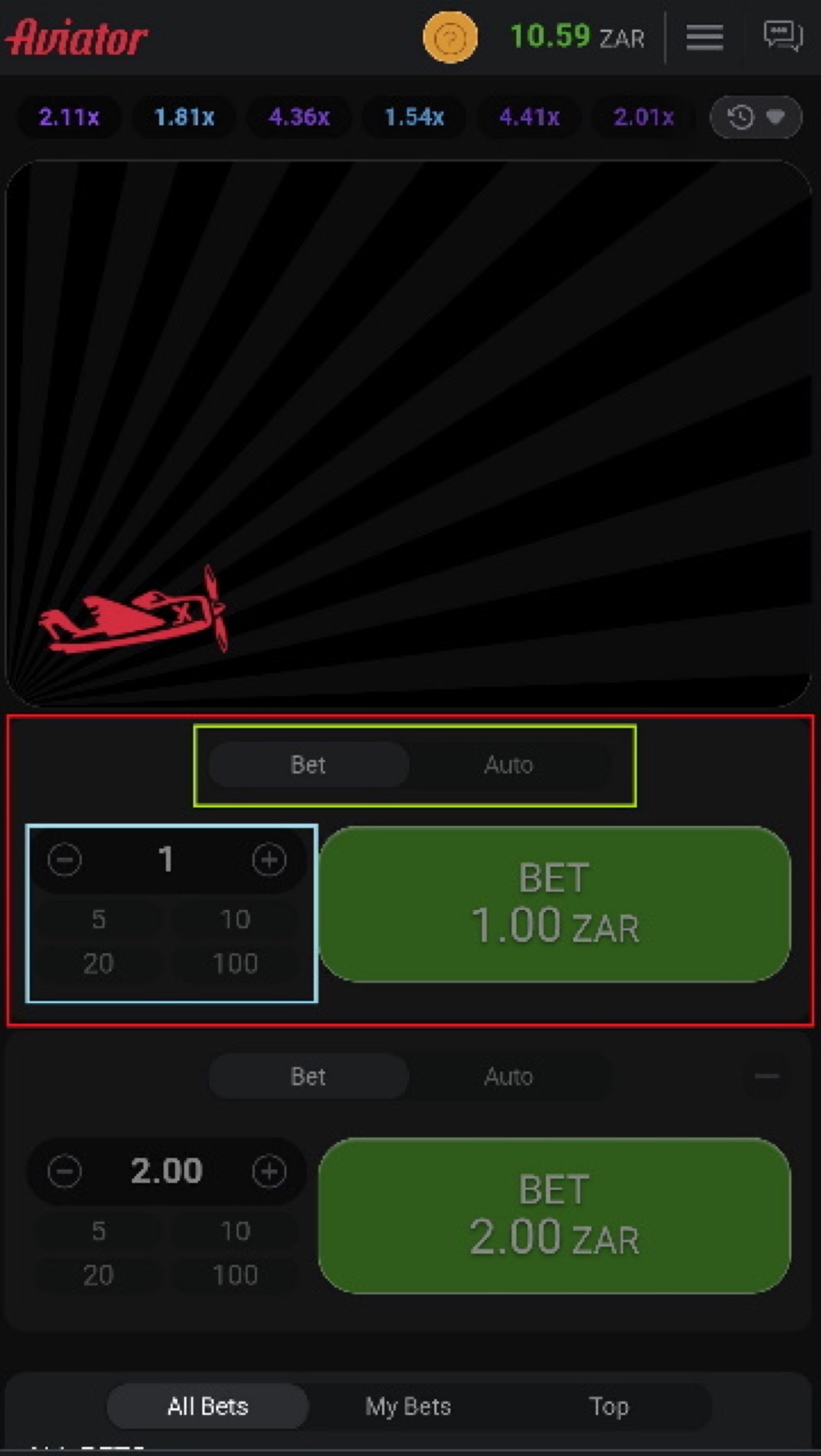
The mobile view places the game controls on a smaller device screen.
No setting can guarantee that a request will arrive before a crash. The practical aim is to reduce avoidable delay and to understand what the interface can and cannot confirm.
- Use the demo mode to learn the position and response of the controls.
- Close unnecessary activity on a slow device before playing.
- Give the interface time to respond instead of tapping repeatedly.
- Use Auto Cash-Out when a preset target matches the intended plan.
- Check the accepted result rather than relying only on the press.
Repeated tapping can create confusion about which action the interface received. It does not make the server process a request sooner. A player should also avoid switching between screens during a live round when the cash-out timing is important.
Playing off-peak is sometimes suggested for a smoother connection. It does not improve the odds. The round probabilities remain the same, and the crash point is fixed before take-off.
- Start with the demo interface.
- Test the controls on the intended device.
- Use a clear cash-out target.
- Watch for the accepted result.
- Stop if the device or connection makes timing unclear.
Set a loss limit and a win limit before playing, and only stake money you can afford to lose.
Aviator FAQ
Aviator supports manual and automatic cash-out controls. The server must receive the relevant request before the crash.
The game includes a provably fair verification tool. That tool checks the round inputs, while it does not turn a delayed request into a settled bet.
Why did my cash-out time out?
The request may have reached the server after the crash. Guides connect cash-out time-outs with latency or a slow device, so the press alone does not establish that the bet settled.
Does the multiplier on screen prove settlement?
No. A multiplier such as 2.00x shows the state displayed by the interface. Settlement requires the server to accept the cash-out request before the crash.
Can Auto Cash-Out prevent time-outs?
Auto Cash-Out sends an instruction at a preset multiplier. It can remove a manual tap, but it cannot guarantee acceptance if the request does not reach the server before the crash.
Is Aviator rigged when a cash-out fails?
A failed cash-out does not by itself show that the crash point changed. Aviator publishes a SHA-256 hash before each round, fixes the crash point before take-off, and allows the inputs to be checked after the round.
Can an Aviator predictor solve timing?
No. The crash point is committed by hash before the round, and public math or prediction tools cannot make a cash-out request travel faster. A predictor also cannot guarantee settlement.
Can I play Aviator for free?
Demo mode exists and needs no registration. It can show how the interface responds on a desktop, tablet, or mobile browser, but it does not reproduce the financial consequences of a real stake.